Welcome to Spirit Rising Yoga & Meditation Your Yoga Studio in Brighton, MI
Spirit Rising offers a different kind of experience…
An experience that is all about your personal growth and healing. Creating a yoga studio that is welcoming to all, soul nurturing, and consciousness expanding. We believe in healing as a whole. As we grow, we elevate the spirit in new ways.
Shed heavy layers of tension, heal old wounds, and tap into inner peace. Offering a variety of classes that support your personal journey. From gentle and calming, to energizing and challenging. You will always find a welcoming home on your mat.
Book Now
Benefits of monthly unlimited memberships include:
10% Discount on workshops (Applies to early bird pricing and door pricing)
15% discount on select services at Beyond a Dream (Brighton)
15% off for a single session private service bookings (not for 3-session purchases)
1 free guest pass/per month
Free birthday class pass becomes giftable

Feed Your Spirit and watch it grow!
We are currently offering classes in studio and online. New students can get unlimited access to our studio and virtual classes for 30 days for $30!
Book Now
Yoga and its Benefits
Practicing yoga regularly promotes a healthy body and balanced life. It not only strengthens the physical body but also nurtures a focused mind and vibrant spirit. As we thread together deep breaths with movement, every asana or pose reveals newfound vitality within us, casting aside unwanted stress and anxiety.
The benefits of yoga extend far beyond flexibility and strength building. It can lower blood pressure, promote better sleep, boost immunity, enhance mood and ensure overall wellness in unexpected ways! From gentle yoga suitable for beginners to more challenging sessions like Vinyasa for advanced practitioners – there’s always an opportunity to grow in your practice while enjoying the transformational effects of this ancient discipline on both body and spirit.
Join us in experiencing the power of yoga – breathe out negativity, breathe in positivity; let’s rise together in harmony!
Our Yoga Classes
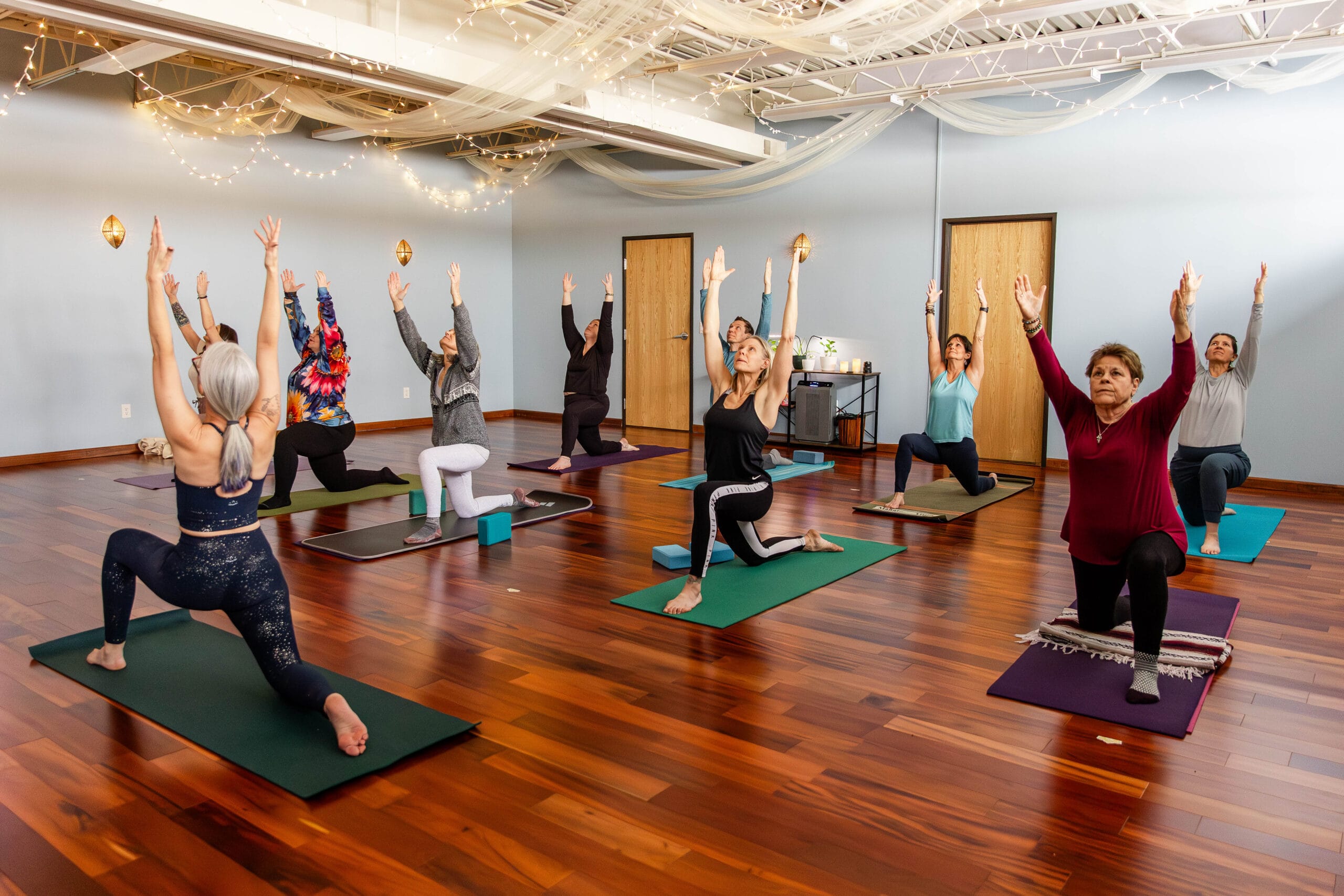
Elevate your spirit, expand your consciousness, and experience peace through our wide array of yoga classes for enthusiasts of all levels. Designed for all fitness levels and experiences, we offer Gentle Yoga, Yoga for Healthy Backs, Chair, Gentle Flow and Hatha to name a few.
These yoga courses strive to help you feel the energizing yet calming effects of prana vigorously moving in open channels throughout your body. Advanced practitioners can get their hearts pumping with Vinyasa while beginners may find solace in the Yin classes. Our courses such as Poses Pens & Inner Peace cater to all experience levels aiming to build strength and bring about inner calmness.
The Yoga Express class is perfect if you’re seeking a brisk workout within a short amount of time! Regardless of which class you pick on our active yoga schedule, expect nothing less than an amazing teacher guiding your practice with professionalism and empathy.
Every session at Spirit Rising focuses on breathing techniques that allow deep breaths harmonized with movement giving freedom to your body. Engagement in any one of these classes not only aids physical well-being but also fosters peace and balance in life – embodying our belief that healing occurs as a whole.
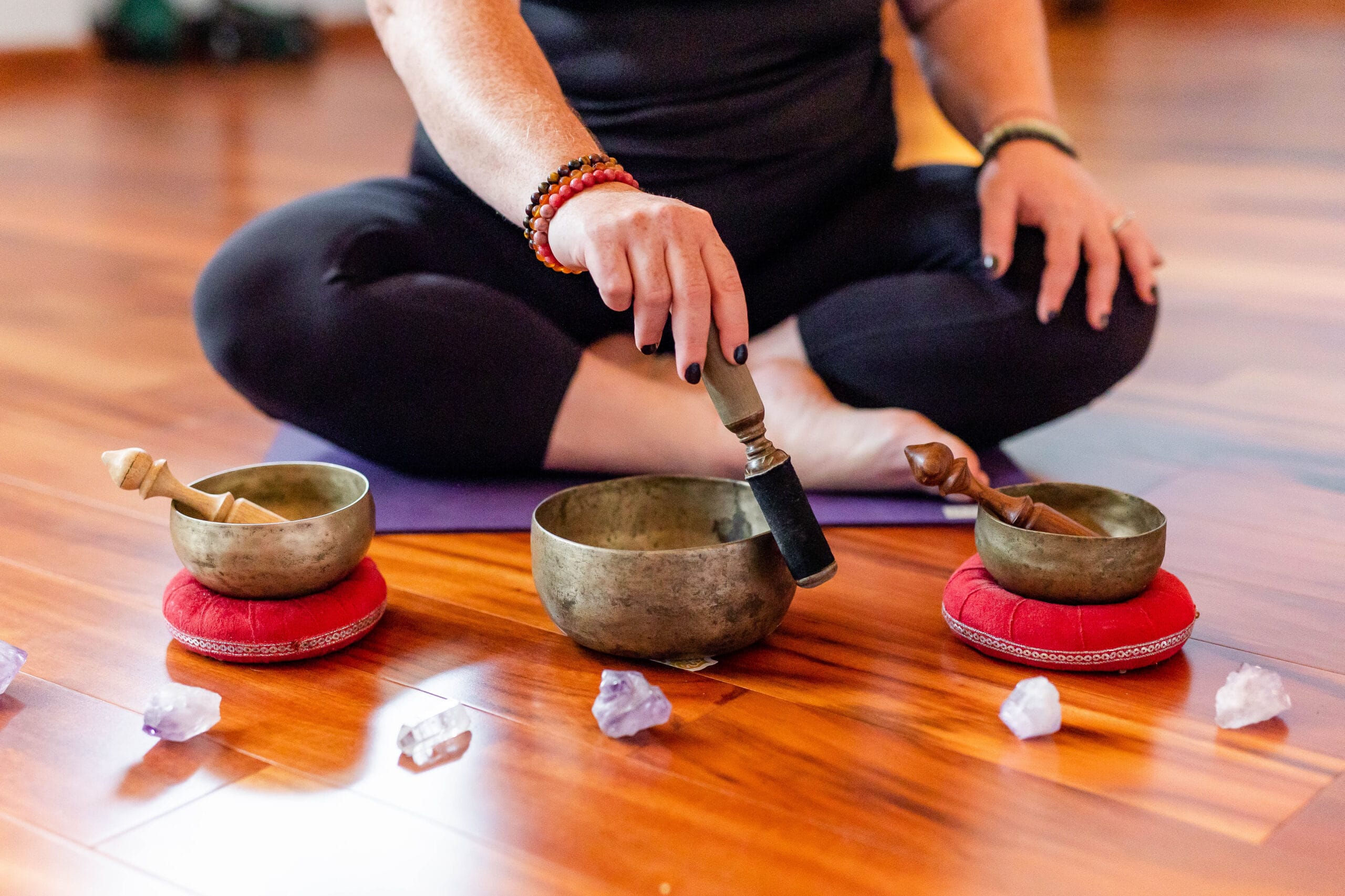
What to Expect
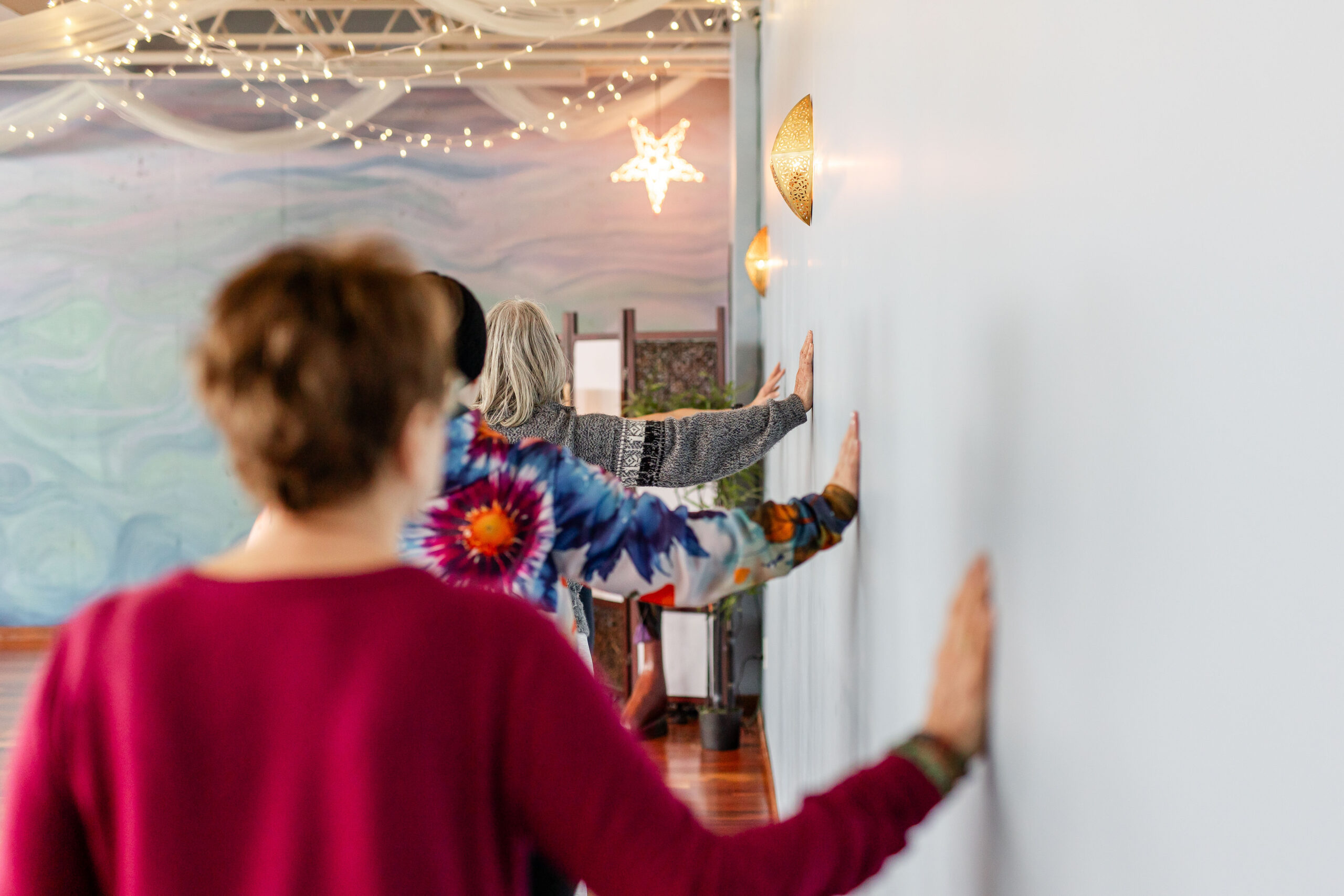
You’ll find an atmosphere that welcomes and nurtures at Spirit Rising Yoga & Meditation. Each yoga training session begins with a calming induction, easing your mind away from the day’s worries and setting the stage for deep relaxation.
We value every individual’s unique journey, catering to all experience levels – whether you’re just stepping onto the yoga mat for the first time or refining advanced postures, we welcome you to our calming studio.
Our goal is to help you cultivate strength, flexibility, and balance – both in body and mind. Every yoga class we hold incorporates different styles of yoga like Gentle Yoga, Beginner, Flexible Flow, Hatha, Yoga Bliss, Vinyasa among others ensuring sessions are varied with something new each time. The classes also bring awareness on breath movements which have numerous benefits including boosted spirits, reduced anxiety, increase in energy levels, better concentration power.
Read More
As our student, you will learn a combination of strength-building exercises, restorative poses, breathing techniques under amazing teachers helping you discover new facets of yourself.Your journey towards a healthier life starts here as this is more than just exercise; it’s about creating harmony between body,mind,and spirit. Come with an open heart,you would not only witness physical transformation but also connect to your inner self,a balanced lifestyle awaits! Practice regularly, get flexible, enjoy peaceful moments, and nurture your soul step by step.
Spirit Rising Yoga & Meditation is your ultimate partner in the path towards yoga wellness and holistic health–physically, mentally, and spiritually. Join us today!
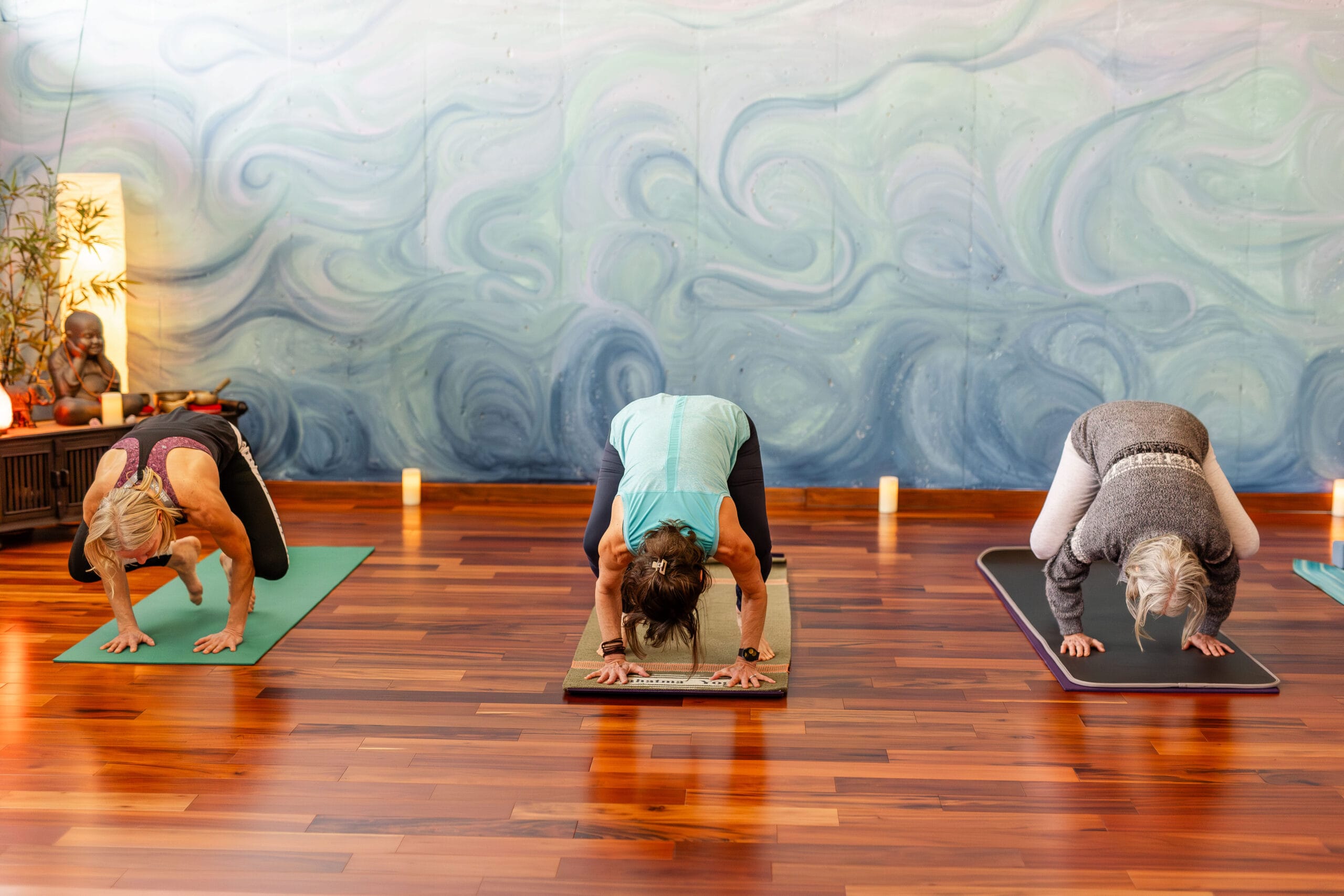

Om Dhanvantaraye Namah
A Sanskrit Mantra for Health
This Mantra is considered one of the most healing mantras of the ancient sanskrit mantras and is beneficial for physical, mental and psychological problems. It is used to help recover from chronic diseases and other body aliments.
Dhanvantri is the father of medicine representing health and healing and is therefore used extensively in ayurveda, the sister science of Yoga.
Lord Dhanvantri is an incarnation of Vishnu who holds the pot of amrit (nectar) representing immortality. The repetition and invocation of this mantra to him is said to enhance longevity.
It is said that even listening to this mantra daily can improve your vigor, vitality, health and well-being.